
"Harrar beans"
1200 article(s) found

Introduction to the categories, producing areas and characteristics of coffee
Fresh coffee (Fresh Coffee Only): refers to freshly roasted coffee beans, only fresh coffee will have quality! Charming and exciting aroma, usually with pure beans as raw materials, freshly baked! Santos, Brazil; Colombia, excellent or mixed; Harald, Ethiopia; Mantenin, Sumatra, Kenya; and ESPRESSO, espresso beans, all of which are
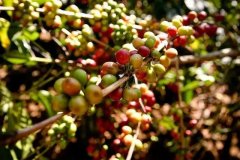
Yega Xuefei Sun Banki Maggie Coffee cooked beans Ethiopia G3 BenchMaji
There are eight main producing areas of Ethiopian coffee: Ekempti, Limu, Illubabor, Djimma, Harrar, Teppi/Bebeka, Sidamo, Yirgacheffe. Ethiopian coffee is highly rated in Taiwan, especially Chinese people are particularly interested in the three famous producing areas of Ethiopia, namely Harrar, Sidamo and Yirgacheffe.

Sidamo Coffee single Bean Flavor description Variety planting Development History production area treatment method
Professional baristas please follow the coffee workshop (Wechat official account cafe_style) Ethiopia is the hometown of Arabica coffee, it is in the forests of the Kaffa region that you can see wild Arabica coffee. In Ethiopian, coffee is called Bun or Buna, and coffee beans (coffeebean) may be translated from Kaffa Bun. Ha

Flavor description of Ethiopian Coffee Manor introduction of taste varieties by grindability treatment
In December 1994, the Constitution of the Federal Democratic Republic of Ethiopia was formulated. According to the Constitution, Ethiopia will implement a federal system and a parliamentary cabinet system after the general election for a term of five years. After the national election in May 1995, the Federal Democratic Republic of Ethiopia was established on August 22, and Meles became prime minister in her capacity as chairman of the majority party of the people's House of Representatives. On May 14, 2000, Ethiopia held a national meeting

Introduction to the flavor and taste characteristics of Ethiopian coffee manor with soft acidity
There are mainly mountain plateaus in Ethiopia, and the central and western regions are the main part of the plateau, accounting for 2% of the whole territory. The East African Rift Valley runs through the whole territory, with an average elevation of nearly 3000 meters, which is known as the roof of Africa. The terrain around the plateau is gradually declining. The Darol depression in the north fell to 113 meters below sea level, the lowest point in the country. A narrow banded plain along the coast of the Red Sea

Latin American coffee beans specialty coffee origin
The Ethiopian plateau is the birthplace of coffee. In the east, near Harrar, the ancient capital, mocha beans (Harrar,Harari,Harer or Harar) are still produced by traditional drying methods at an altitude of about 2,000 meters above sea level. Halal's texture is medium, with a fruity, wine-like flavor, good Halal's wildness is comparable to the best Yemeni mocha. Dried beans from other regions

What is the flavor of Ethiopian coffee beans? describe the characteristics of producing area information.
For the exchange of professional baristas, please follow the coffee workshop (Wechat official account cafe_style) in the West, Essex Coffee is generally sold on the market under the label Yega Chuefei Cedamo and Harald (Yirgacheffee, Sidamo and Harrar). In the field of boutique coffee, there are five other small places of coffee, namely, Lim, Gemma, Le Campdori, Becca and Limmu, D.

A brief introduction to the Origin, Development, History and Culture of Fine Coffee beans in the unique Ethiopian Coffee Manor
In the West, Ethiopian coffee is generally sold on the market as Yega Feixidamo and Harald (Yirgacheffee, Sidamo and Harrar). In the field of boutique coffee, there are also five other small places of coffee, namely Lim, Gemma, Le Campdi, Becca and Limmu, Djimmah, Lekempti, Bebeka and Wolega. What you see most often is

Introduction to the Flavor description treatment of Ethiopian Sidamomo Lion King Coffee Variety characteristics
Ethiopian coffee Ethiopian coffee Ethiopia washed coffee Yega Xuefei G1 G2 Sidamo (Yirgacheffe, Sidamo) is the highest grade 2 and 3 (G2, G3), while the sun-processed coffee in eastern Ethiopia is mostly grade 4 or 5 (G4, G5). In many cases, level 4 coffee is marked as level 5 in order to reduce taxes. At present, the classification is not uniform and a little messy, because
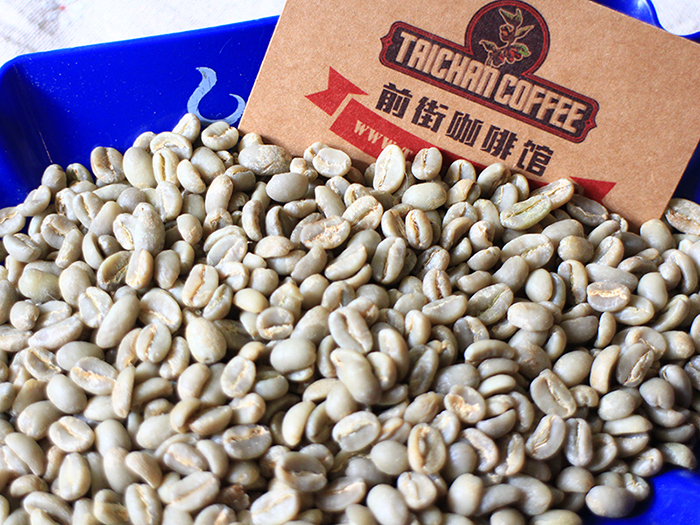
Sunburn Banqi Maji imported fine coffee raw beans Ethiopia Ye Jia Xue Fei BenchMaji original beans
There are eight major coffee producing areas in Ethiopia: Ekempti, Limu, Illubabor, Djimma, Harrar, Teppi/Bebeka, Sidamo and Yirgacheffe. Ethiopian coffee is highly rated in Taiwan, especially the Chinese are particularly interested in three famous Ethiopian producing areas: Harrar, Sidamo and Yirgacheffe.

Introduction to the category and flavor of Kenyan coffee
● Santos NO2, Brazil (Brazilian Santos NO2) is soft, gentle and unique, with a smooth taste, originating from one of the largest coffee producers in the world. Moderate acidity, rich and body, mild, unique and smooth flavor. If it is adzuki bean (17-18 / 64 inch), the adult bean is more beautiful, compared to the taste of soybean grain (19/64FCS)
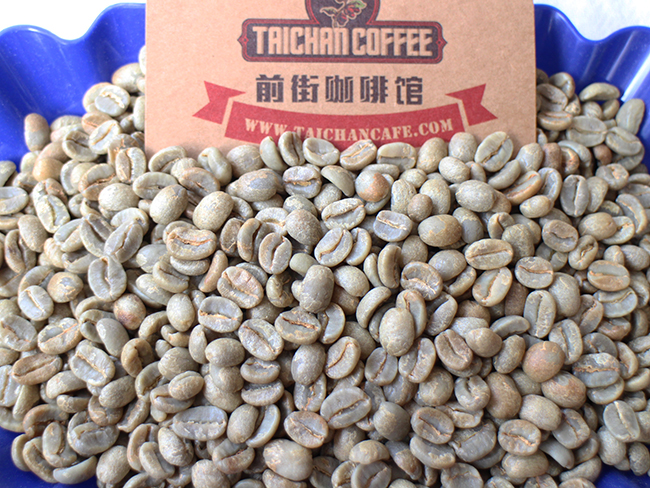
Wholesale price of imported boutique coffee and raw beans in Ethiopia Yega Xuefei Sun Banki
There are eight main producing areas of Ethiopian coffee: Ekempti, Limu, Illubabor, Djimma, Harrar, Teppi/Bebeka, Sidamo, Yirgacheffe. Ethiopian coffee is highly rated in Taiwan, especially Chinese people are particularly interested in the three famous producing areas of Ethiopia, namely Harrar, Sidamo and Yirgacheffe.

How about Harald Harar coffee in the coffee growing area of Ethiopia? Harald Harar Coffee
Professional Coffee knowledge Exchange for more information on coffee beans please follow Coffee Workshop (Wechat official account cafe_style) Harrar-also spelled as Harar- including the easternmost coffee growing area of Ethiopia. It is subdivided into four smaller regions: East Harar, West Hara, Bell and Arsi. Harrar stretches through the vast desert to the border, and to the east is Soma

Ethiopian Coffee Manor Flavor description method introduction to the characteristics of Fine Coffee in producing areas
The Jima mocha washed in Ethiopia looks very clean, but somewhat untidy, while untidiness is a nightmare of baking, which is always uneven in depth. In order to appreciate the original flavor, try not to pick too much, so as not to affect the overall taste. Because it is a new coffee bean with high water content, it needs to be roasted a little deeper and baked over low heat.

Ethiopian fine coffee beans flavor taste Manor production characteristics Variety brand introduction
In February 1977, Lieutenant Colonel Mengistu Haile Mariam launched a military coup and served as Chairman of the Provisional Military Administrative Council and Head of State. In 1979, the Organization Committee of the Ethiopian Working People's Party, dominated by military personnel, was established to implement a one-party system. In 1984, the Ethiopian Workers 'Party was formed on the model of the Communist Party of the Soviet Union. Mengistu, September 1987

Introduction of Ethiopian Water washing Sidamo G1 Sukowell Ethiopia Sidamo Suke Ware
For the exchange of professional baristas, please follow the coffee workshop (Wechat official account cafe_style) there are eight major producing areas of Ethiopian coffee: Ekempti, Limu, Illubabor, Djimma, Harrar, Teppi/Bebeka, Sidamo, Yirgacheffe. Ethiopian coffee is highly rated in Taiwan, especially for Ethiopian Harrar and Xida.

A brief introduction to the Flavor description of Coffee grown in Xidamo Chiso area of Ethiopia with balanced Flavor
Wollega (Nekempte) coffee comes from the west of Ethiopia, with medium to large beans and is famous for its fruity flavor. The color is green and brown (greenish,brownish color), and the acidity and alcohol thickness are good. Can be made to match, can also be individual products. Limu Coffee coffee is famous for its aroma and wine flavor (spicy and Winnie flavor).

History of Coffee in Arab East Africa
[Ethiopia] the highlands of Ethiopia are the birthplace of coffee. The traditional drying method is still used to produce mocha-Hara beans (Harrar,Harari,Harer or Harar) at an altitude of about 2,000 meters near Harrar in the east. Hara has a medium texture and a fruit wine-like flavor, and a good Hara is as wild as the best Yemenmoka.

Introduction to the method of Grinding and Calibration for describing the Flavor of Coffee Manor in Ethiopia
Yega Xuefei's coffee trees were planted by monks in Europe and later transferred to farmers or cooperatives. Yega Xuefei is actually constructed by the surrounding coffee communities or cooperatives, including: Hafusha, Hama, Biloya. These mountain villages are foggy, like spring all the year round, with a gentle breeze in summer, cool but not hot, rain but not damp, and unique in winter.

Ethiopian Coffee Manor Fine Coffee Bean Origin, Development, History and Culture
It has been estimated that there are at least 2000 varieties of Ethiopian coffee and even more than 4500 kinds of coffee. Compared with the fat posture of Bourbon SL28, the main variety next to Kenya to the south, or Tibica in Central and South America and Asia, Ethiopian beans look a little malnourished. But beans can't be judged by appearance, and Ethiopian coffee has the highest citrus flavor in the world, whether it's instant coffee or